
In an era where live-service fatigue is real and the Marvel IP has seen its share of ups and downs, NetEase’s Marvel Rivals has carved out a niche by remembering one fundamental gaming principle: it’s gotta be fun. The hero shooter has thrived not just by leveraging its comic book roots for power-fantasy fulfillment or maintaining a breakneck update schedule that would make other devs’ heads spin. Its secret sauce has often been a frenetic, chaotic pace of play that initially prioritized wild experimentation over rigid meta-strategies. While the developers have been gradually steering the ship toward more balanced waters, a new mode has arrived that feels like a triumphant return to the game’s unserious, experimental roots. Enter Clone Rumble, a PvP experience that is, quite literally, a recipe for glorious, unadulterated chaos.
What Exactly Is the Clone Rumble Mode?
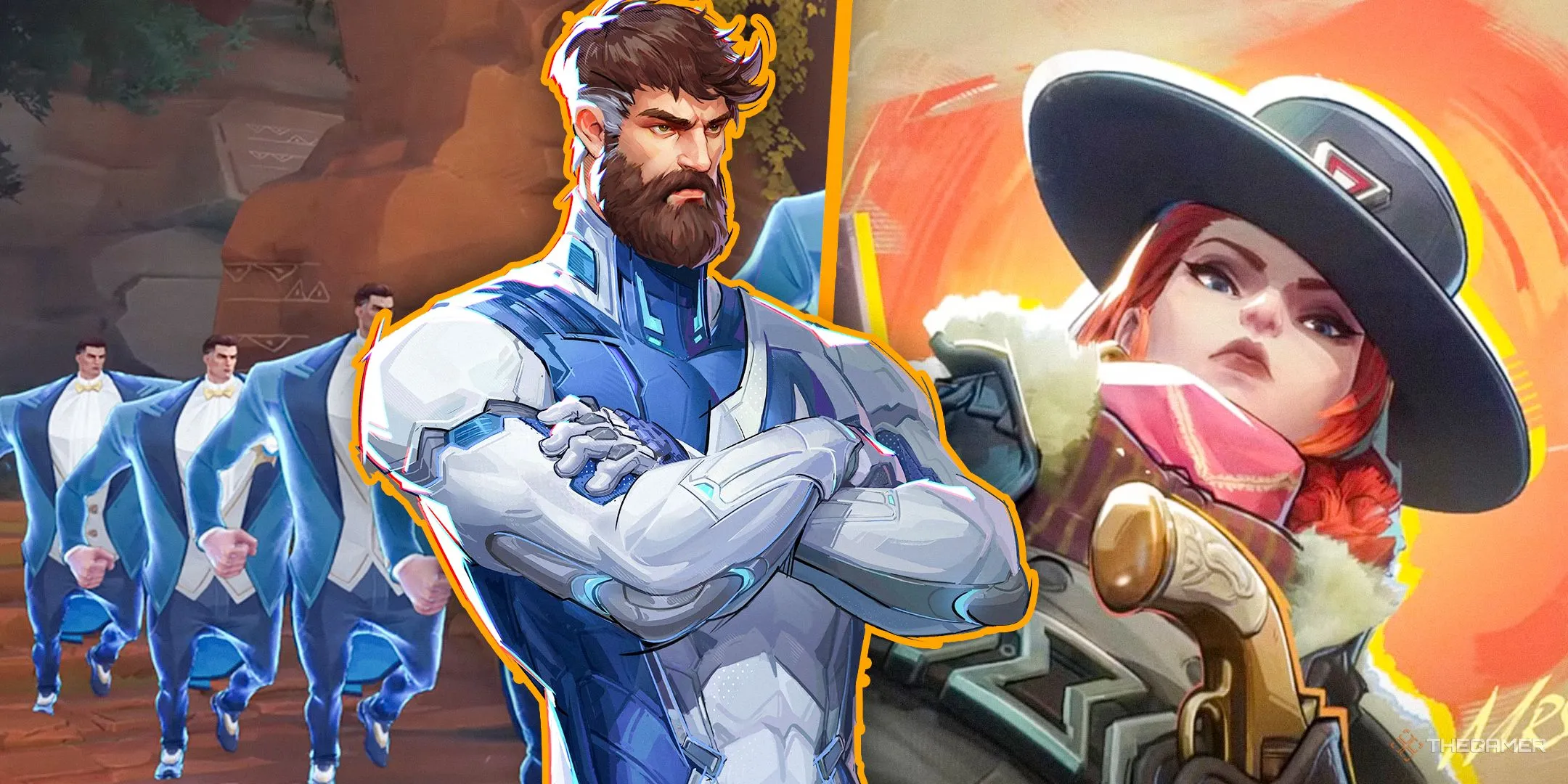
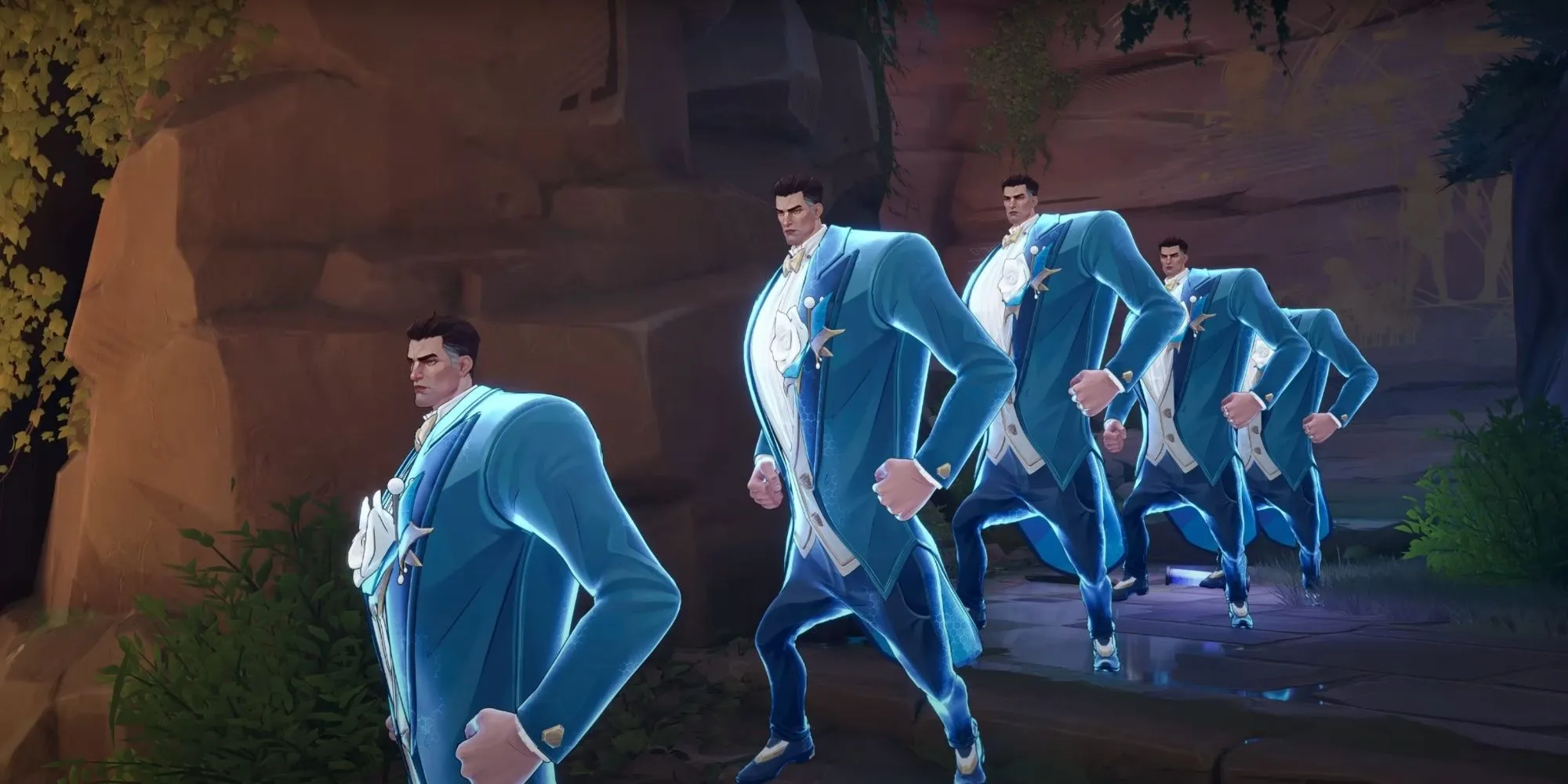
The premise of Clone Rumble is beautifully simple and perfectly engineered for mayhem. Each team collectively selects a single hero from the roster. Then, every player on that team becomes a clone of that chosen hero. The result? Matches featuring ten identical Mister Fantastics in tuxedos bouncing around like rubber balls, a squadron of Punishers creating an impenetrable wall of turret fire, or a lone Iron Man trying to pick off a phalanx of nine Captain Americas whose shields can turn a single projectile into a chain-reaction explosion. This isn’t just a minor tweak to the rules; it’s a fundamental subversion of the hero shooter’s core team-composition dynamic. The trailer for the mode distilled this chaotic essence perfectly, showcasing moments that are less about strategic play and more about creating viral, meme-worthy spectacle.
This foray into controlled madness isn’t Marvel Rivals’ first rodeo with off-the-wall limited-time modes. The game has shown a consistent willingness to get a little weird:
-
A “Splatoon Moment”: As part of a past Christmas event, the game introduced mechanics reminiscent of Nintendo’s ink-based shooter.
-
Football Frenzy: A 3v3 soccer mode for the Lunar New Year raised eyebrows (and smiles) for its similarities to Overwatch’s Lucioball.
-
Player-Driven Chaos: Even without official modes, the community has invented its own games within the sandbox, like fastball volleyball and Pong, using heroes’ abilities in unintended ways.
Clone Rumble feels like the logical, glorious culmination of this spirit—an official endorsement of the game’s most chaotic potential.
Why Clone Rumble Hits Different: It’s All About the Vibe
In a landscape where competitive multiplayer games often descend into toxicity over meta picks and balance patches, Clone Rumble is a breath of fresh air. It is the exact opposite of balance, and that’s its greatest strength. Frustrated by debates over role queues? Annoyed that your favorite support hero got nerfed into the ground? Clone Rumble says, “Forget that noise.” This mode exists outside of that discourse. It’s a space free from the pressure to perform optimally, where the only goal is to embrace the beautiful, ridiculous chaos.
For many players, including this writer, games like Marvel Rivals can lose their luster the more seriously you take them. The constant chase of the meta, the pressure to master the most viable characters—it can suck the joy right out. Clone Rumble is the antidote to that. It’s inherently memeable and ripe for pure, unscripted fun. Just picture the scenarios: a squad of Black Widows trying to out-stealth and out-maneuver a team of Invisible Women. Or ten Spider-Mans web-zipping around the map, inevitably recreating the iconic “Spider-Man pointing at Spider-Man” meme in real-time. The mode leverages the game’s core mechanics not for competitive integrity, but for shared, hilarious spectacle.
The Bigger Picture: Embracing Chaos as an Identity
More broadly, Clone Rumble signals that NetEase understands Marvel Rivals’ unique position in the hero shooter market. Its strength isn’t in trying to dethrone Overwatch 2 as the definitive, balanced tactical experience. Instead, its power lies in a willingness to experiment and embrace chaos where other games enforce rigidity. It doesn’t force competitive players to endure imbalance; it cordons off a special space where that imbalance is the point. It takes the chaotic energy that naturally exists in a game with so many wild superpowers and channels it into a dedicated, celebratory mode.
This approach is a smart play. It allows the developers to continue refining the core game for balance and esports potential while giving the community a sanctioned playground for letting off steam and creating viral moments. It’s a recognition that a game’s ecosystem needs both the structured competition and the silly, social fun to thrive long-term. Clone Rumble is that silly, social fun, dialed up to eleven.
| Aspect | Core Game Focus | Clone Rumble Focus |
|---|---|---|
| Team Composition | Strategic, varied roles (Tank, Damage, Support) | Homogeneous, single-hero chaos |
| Player Goal | Objective victory, meta efficiency | Chaotic fun, meme creation |
| Balance | Carefully patched and tuned | Deliberately thrown out the window |
| Community Vibe | Can be competitive, sometimes toxic | Pure, unserious celebration |
As of 2026, Marvel Rivals continues to prove that in a crowded market, sometimes the best strategy is to not take yourself too seriously. Clone Rumble isn’t just a mode; it’s a vibe check. And for players tired of the same old grind, it’s an invitation to cut loose, embrace the mayhem, and remember why they started playing in the first place. Now if you’ll excuse me, I’ve got a date with nine other Thors to see who can summon the most dramatic lightning storm. It’s gonna be epic.